
UPVC Door Application Guide for Multi-Unit Residential Projects in ASEAN and MENA
A multi-unit residential project rarely needs one UPVC door. It needs a repeatable mapping between opening type and door configuration: hinged or lift-and-slide at main entrances, sliding or tilt-and-turn at balconies and utility openings, with handles, hinges and rollers selected to match how residents will actually use each opening. This guide sets out that mapping for projects in ASEAN and MENA, where heat insulation, sound insulation, water-tight sealing and wind resistance drive the decision, and it grounds each recommendation in Conch 60/65/88 profiles, customizable door size, specification and glass, ECM Attestation to EN 14351-1:2006+A2:2016, a 10–30 day lead time and a 30–40 ㎡ MOQ for custom orders.
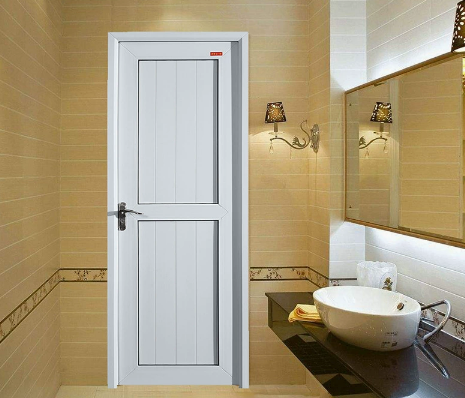
75-series full vertical-panel UPVC casement door — a configuration used for bathroom and utility openings where a narrow leaf, full-height glazing and a simple manual action are required.
The Core Problem: One UPVC Door Specification Cannot Serve Every Opening
A multi-unit residential building contains a wide mix of openings. Main entrances, balcony and terrace doors, bathroom and utility doors, stair core doors and roof access doors are used at different frequencies, exposed to different weather and secured to different rules. Treating all of them as a single line item in the door schedule is the most common source of problems in UPVC door procurement.
Three failure patterns repeat in project reviews. First, one configuration is copied across every opening: a hinged leaf ends up on a narrow balcony where a sliding panel would have preserved usable floor area, or a sliding panel is used at a main entrance where a hinged or lift-and-slide leaf closes against a single continuous seal line. Second, hardware is treated as an afterthought, so hinges, rollers and handles are not matched to how often an opening is used, and the first components to wear are also the last to be specified. Third, compliance documents are requested at the end of the order instead of at specification stage, when the profile and glass build-up can still be changed.
The practical answer is a door schedule that maps each opening type to a configuration, a glass build-up and a hardware set, then applies one profile platform and one documentation package across the whole schedule. Everything below is organised around that idea.
Why the Steel Liner Matters Before Anything Else
UPVC doors are made from PVC-U profiles with internal galvanized steel liners for reinforcement. The liner is what gives the leaf rigidity, wind-pressure resistance and long-term shape retention under load. Ordinary plastic doors have no steel reinforcement; they cost less up front but deform easily under external force or wind load and are not suitable for exterior or high-rise applications.
For a multi-unit project this is a specification point rather than a sales point. Ask for the profile build-up in writing, and confirm at goods acceptance that steel liners are present in the profile cavities of every exterior leaf. Non-reinforced doors should not be accepted for exterior or high-rise openings. Standardising on a steel-lined UPVC platform across the whole door schedule keeps performance consistent from the ground floor to the top floor.
Industry Background: Heat, Humidity, Salt and Dust
ASEAN and MENA projects sit in two different stress environments, and the door schedule has to reflect both. In ASEAN markets, outdoor conditions typically combine high humidity, coastal salt exposure and strong-wind areas. Water-tight sealing, corrosion resistance and wind resistance stop being optional once a project sits within a few kilometres of the coast or above a certain height. In MENA markets, sustained high temperatures, intense solar exposure and wind-borne dust put the emphasis on heat insulation and on sealing that keeps fine particles out of the track and rebate.
Both regions share one commercial driver: buildings that stay comfortable with less mechanical cooling. That is why the thermal and sealing performance of an entrance or balcony door carries more weight in a multi-unit residential specification than it would in a low-rise single-family project.
The category data supports the direction of travel. Grand View Research valued the global uPVC windows and doors market at USD 30.8 billion in 2025, with a projected USD 32.4 billion for 2026. Asia Pacific dominated that market with a revenue share of 44.1% in 2025, and the doors segment specifically is expected to grow at a CAGR of 5.3% from 2026 to 2033. Sliding configurations accounted for 37.20% of uPVC door and window revenue in 2025 — consistent with the balcony and terrace openings that dominate high-rise residential design in both regions.
The Four Performance Requirements That Should Drive the Specification
Thermal insulation
Heat insulation is the property most often named first by developers in both regions, because it translates directly into cooling load. UPVC doors are energy-saving products with thermal insulation performance, and the effect depends on the combination of profile chamber design and the glass build-up specified for each opening. Because door size and glass are customizable, the thermal requirement should be written per opening type rather than as a single line for the whole project.
Sound insulation
In a multi-unit building, sound insulation matters most at the boundaries between residents: corridor doors, stair core doors, and balcony doors facing a road, a podium or an adjacent tower. Sound insulation is a stated property of the UPVC door range, and the practical selection question is which openings in the schedule sit on an acoustic boundary and therefore justify a heavier glass build-up.
Water-tight sealing
Water-tight sealing protects the interior finish, the track and the hardware. The sealing system on a UPVC door is built from EPDM sealing gaskets and dust-proof pile weatherstrip, and the quality of installation at the sill and rebate decides whether the door performs in driving rain. In coastal ASEAN and MENA projects, water tightness and air permeability should be specified together, because the same sealing line serves both.
Wind resistance
Wind resistance is a structural question as much as a sealing one. It depends on the steel liner inside the profile, the hardware fixing pattern, and the leaf size relative to the opening. On exposed elevations, a large single leaf and a small leaf do not carry the same load, which is one reason lift-and-slide and sliding configurations are frequently used for wide balcony openings rather than oversized hinged leaves. Impact and wear resistance, a secure locking system, weather-resistant and anti-ageing behaviour, and compliance with local building access standards all belong in the same clause of the specification.
The UPVC Door Range Referenced in This Guide
Foshan Nanhai Yuanzhaiji UPVC Door & Window Factory is a UPVC door and window manufacturer based in Foshan, China, established in 2009 with more than 15 years of experience in UPVC door and window manufacturing. The company specialises in UPVC doors and windows and focuses on UPVC door and window manufacturing for domestic and overseas engineering projects, with major markets including LATAM, MENA, ASEAN and the EU.
The door range covers UPVC sliding doors, UPVC lift-and-slide doors and UPVC hinged doors, and includes European and American-style door series. Model designations include HF60, WYK75-1 and HF88-L. The company supplies Conch profiles including the 60, 65 and 88 series, available in co-extruded colour, laminated wood-grain finish and solid colour options such as dark grey and black, giving multiple colour finishes across the range.
Profile material data for the range includes a Vicat softening point of 86℃, a flexural modulus of elasticity of 2,840 MPa, a tensile yield stress of 43 MPa, a tensile strain at break of 186% and a density of 1,520 kg/m³. For project buyers, these are the numbers to place against the local specification when a consultant asks for material evidence rather than a product brochure.
Hardware and accessories for the door range cover door handles, door hinges, door rollers, anti-collision stoppers, dust-proof pile weatherstrip and EPDM sealing gaskets. Operation modes include manual opening and closing, tilt-and-turn opening and sliding operation. Door size, specification and glass are customizable, which is what allows one profile platform to serve a full door schedule rather than a single opening type.
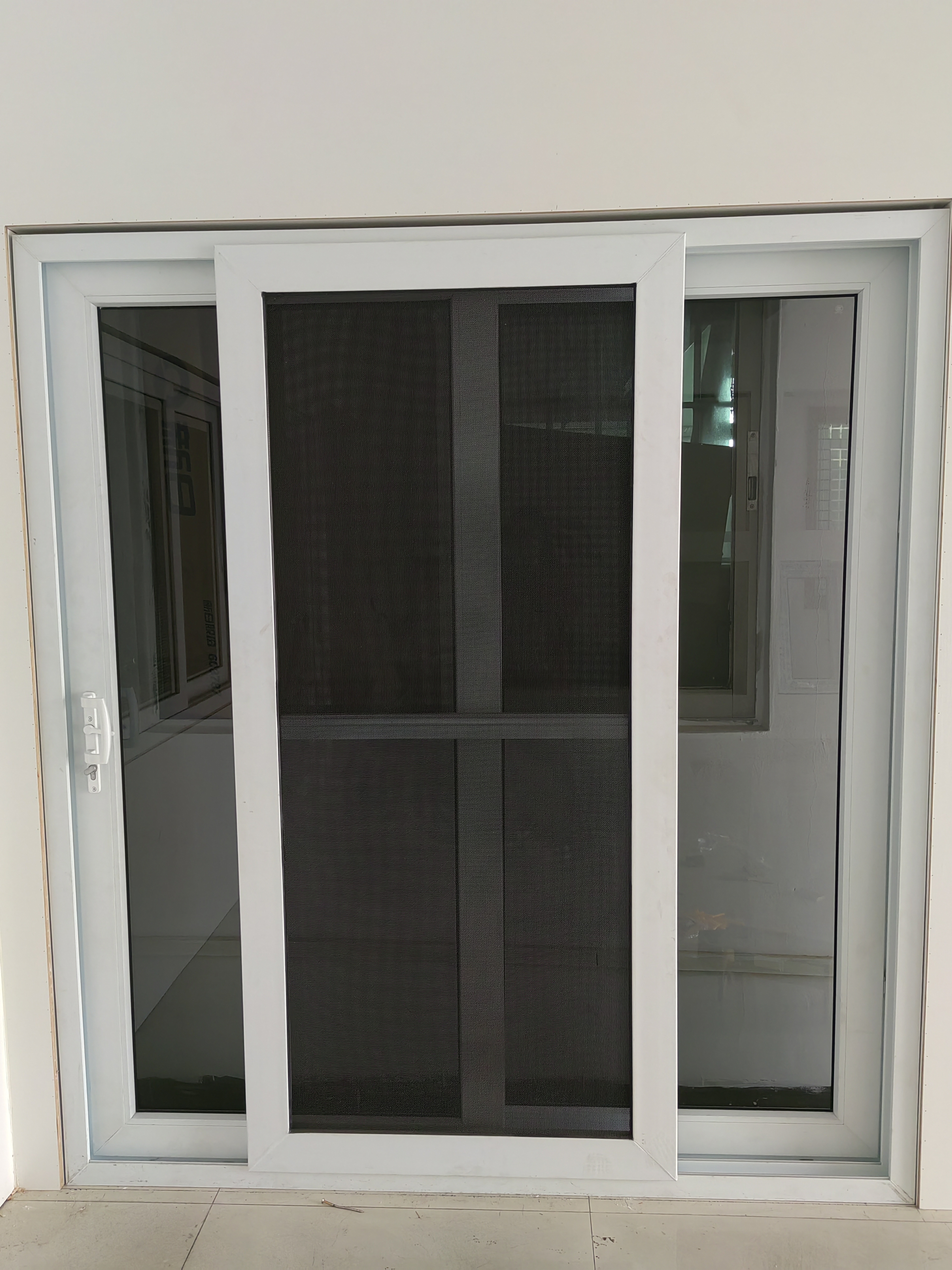
UPVC 112/88-series sliding door with fly screen — a configuration suited to balcony and utility openings where ventilation control and track sealing matter in humid climates.
Step-by-Step: Mapping UPVC Doors to Each Opening
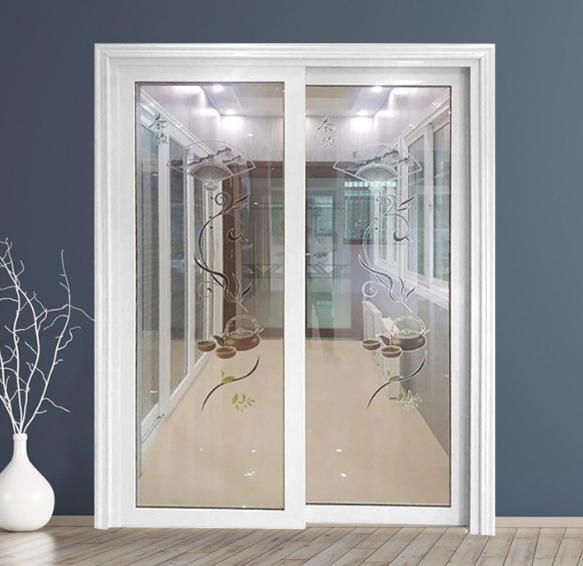
UPVC 88-series sliding door — used for balcony and terrace openings where a wide glazed area and a compact track footprint are required.
Use Cases: Three Project Profiles
Scenario A — Coastal high-rise in ASEAN
Outdoor, coastal high-humidity and strong-wind conditions apply across the elevation. The door schedule should lead with wind resistance and water-tight sealing on every sea-facing opening, use sliding or lift-and-slide configurations on balconies to keep large glazed areas manageable, and specify steel-lined profiles throughout. Corrosion resistance and anti-ageing behaviour of the hardware become selection criteria rather than maintenance notes.
Scenario B — MENA project with dust exposure
Heat insulation dominates, followed by sealing against wind-borne dust. Sliding tracks and rebates need dust-proof pile weatherstrip in good condition, and balcony doors should be specified with the glass build-up that carries the thermal load. Tilt-and-turn operation is useful where residents want ventilation without leaving a full leaf open during a dust event.
Scenario C — Renovation and phased handover
Renovation projects, including villa projects and phased residential refurbishment, usually replace doors opening by opening rather than in one drop. That favours a supplier who can hold one profile platform and one colour range across multiple small orders, and who can confirm a colour match against the existing elevation before the first batch is produced.
Comparison Table: Door Configuration Against Opening Type
| Configuration | Typical opening in a multi-unit project | Selection logic | Hardware focus |
|---|---|---|---|
| UPVC hinged door | Main entrance, stair core, bathroom and utility rooms | Full-width clear opening with a single continuous closing line; simple manual operation; suited to secure locking | Door handles, hinges, anti-collision stopper |
| UPVC sliding door | Balcony, terrace and utility openings | No swing space required; supports a wide glazed area; manual sliding operation | Door rollers, dust-proof pile weatherstrip, EPDM sealing gasket |
| UPVC lift-and-slide door | Wide balcony and terrace openings | Large panels are lifted and slid, then settle to compress the seal when closed | Door rollers, handles, sealing gasket |
| UPVC French casement door (60-series full vertical-panel) | Entrance and balcony openings requiring two leaves | Two-leaf opening combining daylight and ventilation with full-height glazing | Handles, hinges, gasket |
| Tilt-and-turn opening | Balcony and utility openings needing controlled ventilation | One sash, two operation modes, so ventilation does not require a fully open leaf | Handles, hinges |
The table describes configuration logic only. Final selection should follow the project's own wind-load, acoustic and access requirements, and the door schedule should record the configuration, glass build-up and hardware set for every opening.
Compliance Documentation for ASEAN and MENA Projects
Where a European reference framework is required or preferred, the applicable standard for windows and doors is EN 14351-1:2006+A2:2016. The documentation package for a UPVC door order typically includes ECM Attestation to EN 14351-1:2006+A2:2016, together with system test reports covering wind resistance, water tightness, air permeability, sound insulation, thermal performance, drop-weight impact and welding corner strength.
The same framework requires profiles to be PVC-U with internal galvanized steel liners for reinforcement, a factory production control (FPC) system to be in place, a Declaration of Performance to be issued, and CE marking to be applied to the products. Test reports and technical documentation should be retained and available for inspection at handover.
For customs and logistics planning, the HS code for plastic doors, windows and their frames and thresholds is 392520. Confirming the code early avoids classification questions at the port and keeps the shipping schedule aligned with the construction programme.
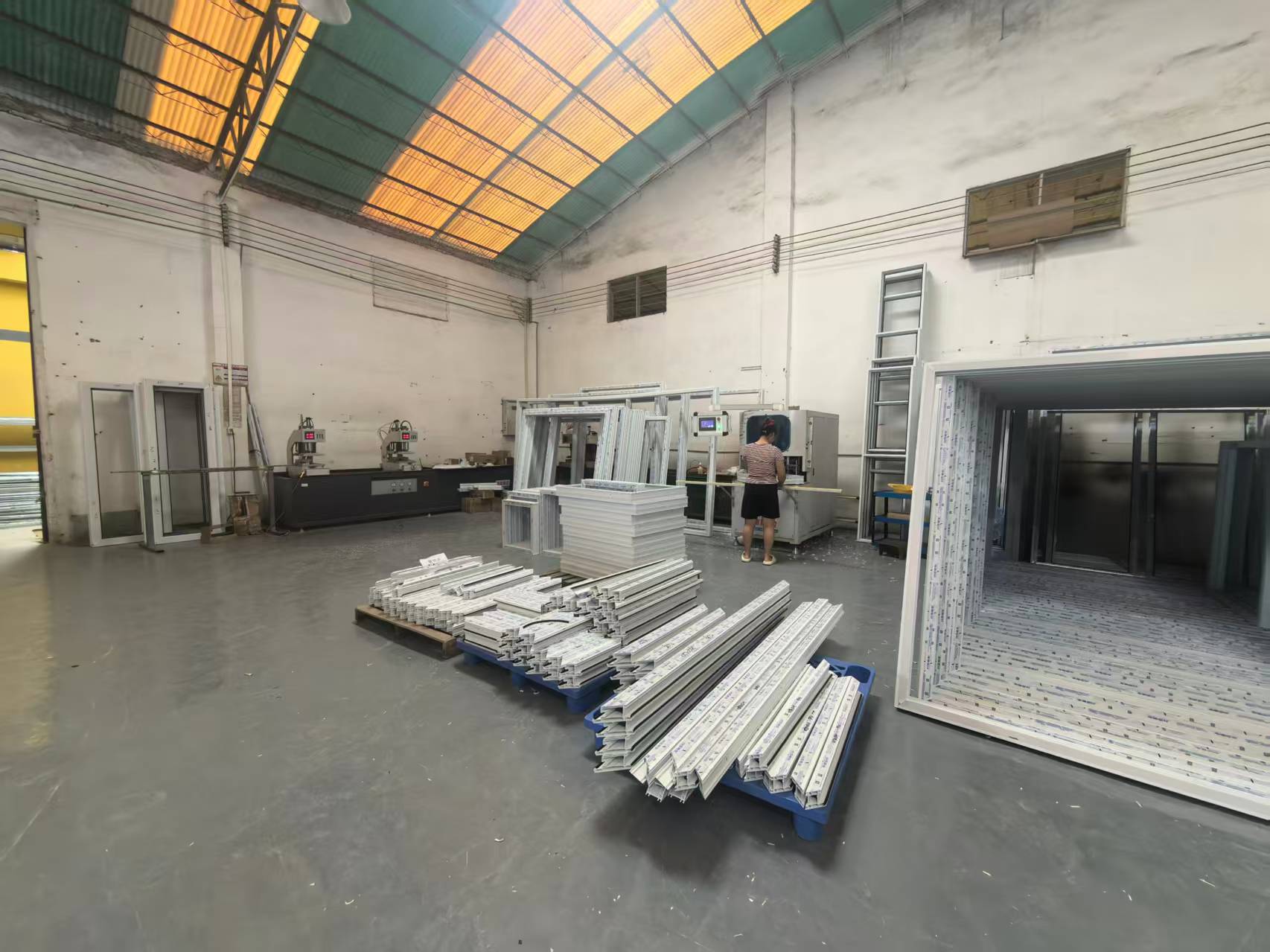
Welding and assembly area inside the 3,000 ㎡ manufacturing facility in Foshan, where door leaves are welded and assembled before hardware fitting.
MOQ, Lead Time and Production Planning
The custom-order MOQ is 30–40 ㎡. Because the threshold is expressed in area rather than in units, a door schedule covering a full floor plate will usually clear it quickly, while a single small replacement batch may not. Converting leaf width × leaf height across all openings before confirming the order avoids a late recalculation.
Lead time is 10–30 days. Planning should account for the door schedule, the colour confirmation and the delivery sequence rather than a single shipment date. The manufacturing facility covers 3,000 square meters, employs approximately 20 staff including a professional technical and management team, and has an R&D team of 10 engineers and technicians. Annual production capacity reaches 50,000 units, with about 50,000 units produced per year, and roughly 80% of output is exported.
Frequently Asked Questions
What compliance documentation should accompany a UPVC door order for an ASEAN or MENA project?
Where a European reference framework is used, the relevant standard is EN 14351-1:2006+A2:2016. The package includes ECM Attestation to EN 14351-1:2006+A2:2016, system test reports covering wind resistance, water tightness, air permeability, sound insulation, thermal performance, drop-weight impact and welding corner strength, a Declaration of Performance, CE marking on the products, and evidence of a factory production control (FPC) system. Profiles must be PVC-U with internal galvanized steel liners for reinforcement, and test reports plus technical documentation should be kept available for inspection.
Which UPVC door configurations and profiles can be supplied for a project of this type?
The door range covers UPVC sliding doors, UPVC lift-and-slide doors and UPVC hinged doors, and includes European and American-style door series. Model designations include HF60, WYK75-1 and HF88-L. The range is built on Conch profiles including the 60, 65 and 88 series, available in co-extruded colour, laminated wood-grain finish and solid colour options such as dark grey and black. Door handles, hinges, rollers, anti-collision stoppers, dust-proof pile weatherstrip and EPDM sealing gaskets are supplied as part of the specification.
What is the minimum order quantity, and how should it be calculated?
The MOQ for custom orders is 30–40 ㎡. Because it is expressed in area rather than in units, the door schedule should be converted to square metres — leaf width multiplied by leaf height, summed across all openings in the order — before the order is confirmed. This also makes it easier to compare quotations between suppliers on a like-for-like basis.
Can the project team review a sample before committing to an order?
A sample showroom is available for one-stop purchasing, so buyers can review profile, colour finish, glass and hardware before the order is placed. For multi-unit projects, this is the practical stage at which to confirm the colour range against the elevation and to check that the hardware set matches the access pattern of each opening type.
What lead time should be planned, and what affects it?
Lead time is 10–30 days. It is affected by the size and complexity of the door schedule, colour and glass confirmation, and the delivery sequence required by the construction programme. With annual production capacity of 50,000 units across a 3,000 ㎡ facility and an R&D team of 10 engineers and technicians, sequencing is usually a matter of agreeing the schedule early rather than of capacity. To move from schedule to quotation, send the opening list with dimensions, configuration and glass requirements to the factory team at yuanzhaiji.com and request a project sample or a formal quotation.
Conclusion
UPVC door selection in a multi-unit residential project in ASEAN or MENA is a mapping exercise, not a single product choice. Main entrances want hinged or lift-and-slide leaves with a continuous closing line; balconies and terraces want sliding, lift-and-slide or tilt-and-turn configurations that preserve floor area and control ventilation; bathroom and utility openings want narrow, simple leaves. Around that mapping sit four requirements that should be written into the specification — heat insulation, sound insulation, water-tight sealing and wind resistance — supported by steel-lined PVC-U profiles, hardware matched to access patterns, and a documentation package built on EN 14351-1:2006+A2:2016.
Conch 60/65/88 profiles, customizable door size, specification and glass, ECM Attestation, a 10–30 day lead time and a 30–40 ㎡ MOQ for custom orders give a project team enough range to cover a full door schedule from one supplier, and enough structure to keep performance consistent from the first floor to the last.
Next Step: Sample or Project Quotation
Send the door schedule — opening type, leaf size, configuration and glass requirement — and the factory team will confirm the applicable profile series, colour options, MOQ and lead time for your ASEAN or MENA project.
Website: yuanzhaiji.com | Email: 1803877678@qq.com | Tel / WhatsApp: +86 130-0674-7018
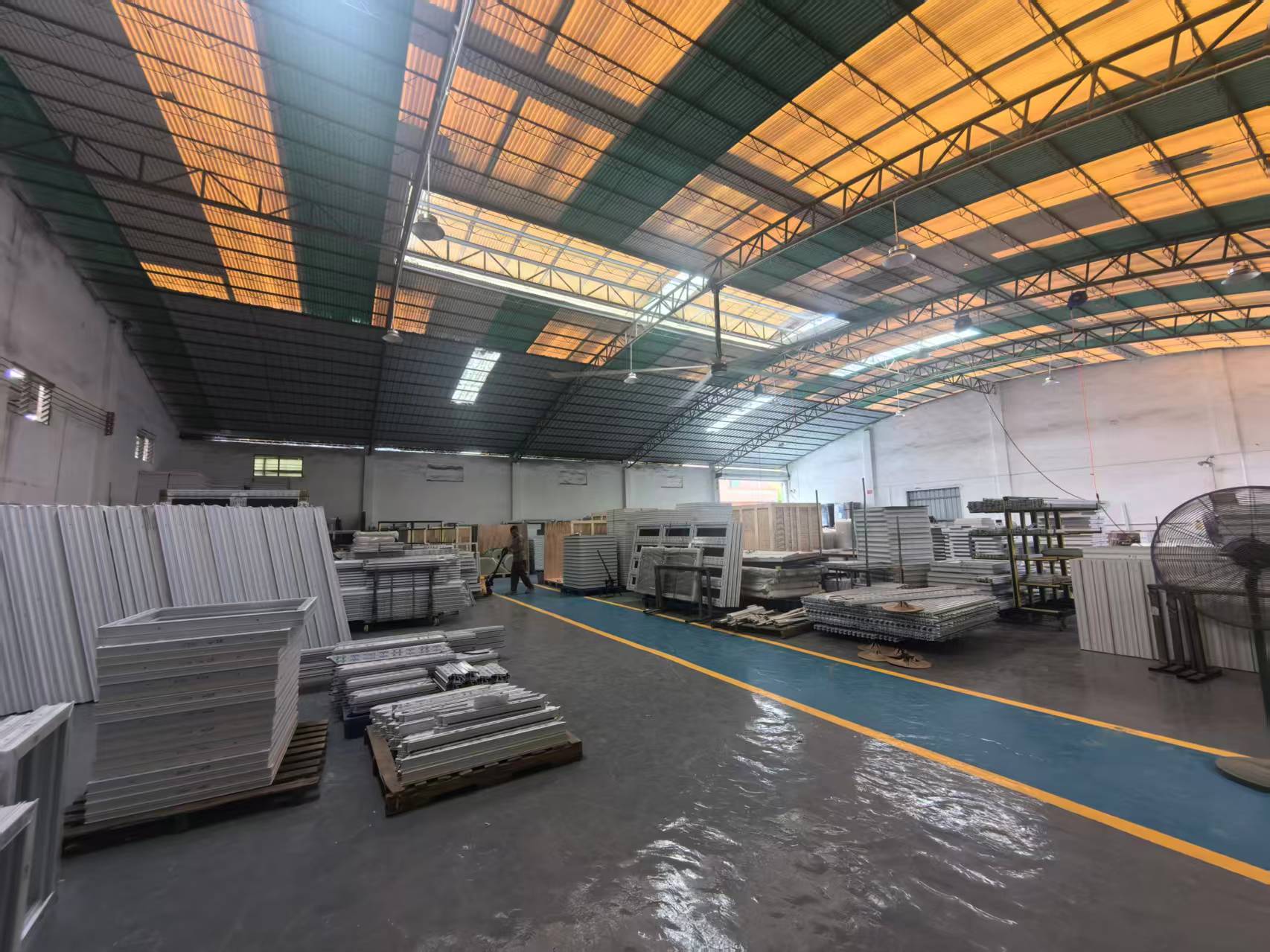
Goods storage area — finished UPVC door and window sets staged for export packing and delivery sequencing.
Have Questions or Need More Details?
Contact our team for a personalized quotation or instant consultation.
Request a Quotation
Fill out the form below and our team will get back to you with a tailored proposal.
WhatsApp Direct Chat
Prefer to chat in real-time? Message us on WhatsApp for instant assistance & quick answers.
- Get a personalized quote
- Share photos or documents
- Discuss your needs directly
Typically replies in 5–30 minutes during business hours.