
7970 vs 8037: Which UPVC Window Suits Coastal Humidity?
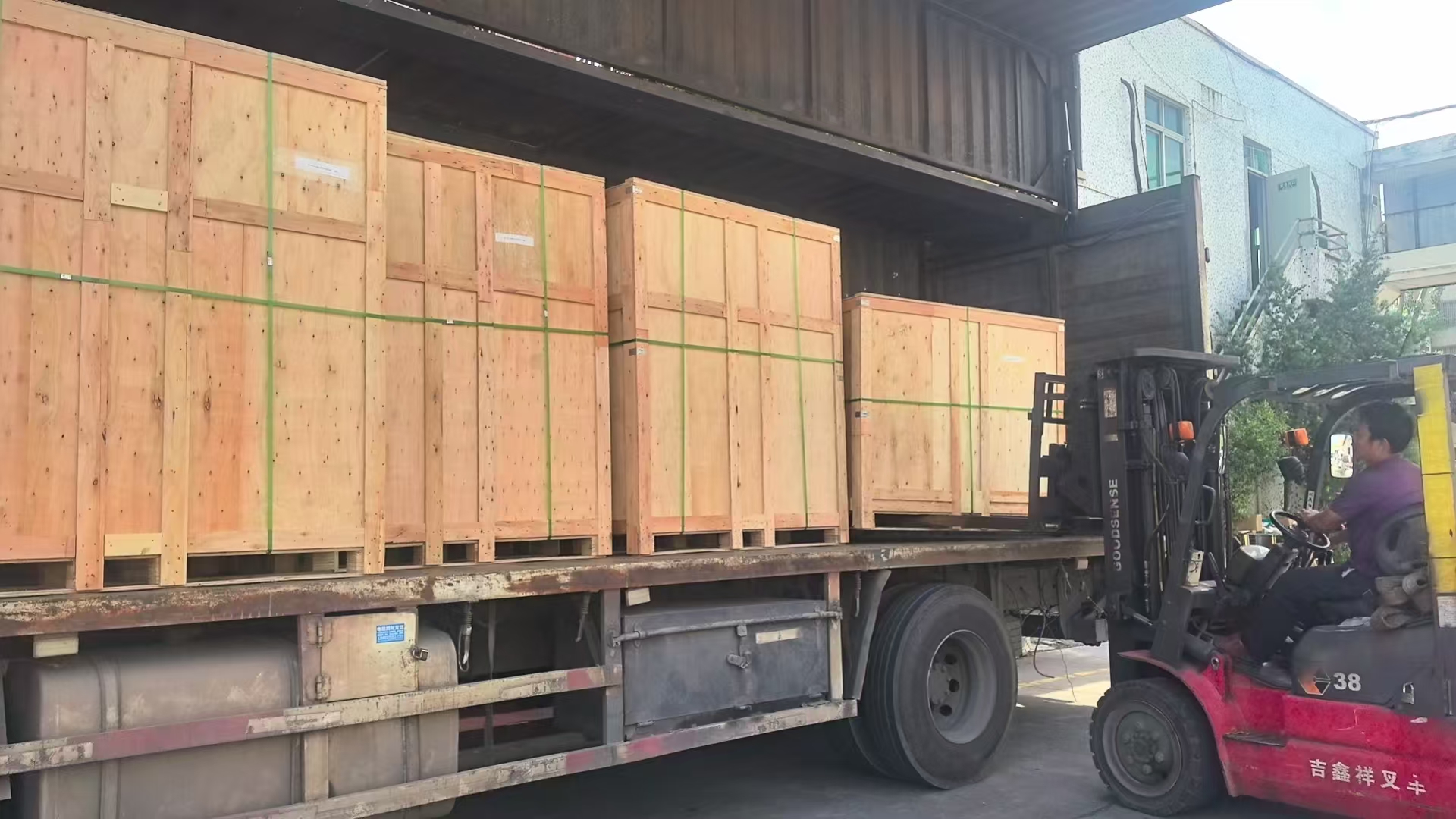
Model 7970 and Model 8037 are two UPVC window systems from Foshan Nanhai Yuanzhaiji UPVC Door & Window Factory, a UPVC door and window manufacturer established in 2009 in Nanhai, Foshan, China, exporting to LATAM, MENA, ASEAN and the EU. Both are specified for outdoor exposure in coastal high-humidity and strong-wind conditions, but they answer different design questions.
Short answer: Model 7970 is the corrosion-and-aging specification. It fits renovation, villa and commercial projects where frames stay in service for decades, operation is manual, UV and anti-aging performance decide how the window looks in year ten, and fire resistance can be specified as an option. Model 8037 is the wind-and-water specification. It is built for strong-wind areas, where wind-pressure resistance, water tightness and sound insulation carry the design, and where tilt-and-turn or sliding operation sets the hardware schedule.
Neither model is universally better. The correct choice is determined by three inputs: the exposure of the elevation, the opening mode the project can accept, and the hardware that mode requires.
Problem Definition: What Coastal High Humidity Actually Does to a Window
Coastal high humidity is not a single stress. It is three stresses acting on the same frame, and each one fails a window in a different way.
1. Salt and moisture attack the metal, not the PVC
The UPVC profile itself does not rust. The vulnerability sits in hardware and in any exposed metal component: handles, hinges, lock points, rollers and the fixings that hold the sash. On a coastal site, hardware corrosion shows up as stiff operation, then as failure to close and lock. High-performance UPVC window configurations in our product data are specified so that no anti-corrosion spraying is required, which removes one maintenance task that coastal building managers otherwise repeat every few years.
2. UV and heat cycling degrade any profile with a weak formula
Sunlight triggers molecular chain degradation in PVC. Qualified profiles add UV stabilizers to resist this. Where wall thickness is thin or the additive system is poor, structural strength drops and the frame deforms under temperature fluctuation, producing yellowing, brittleness and air leakage. Chinese profile compliance is governed by GB/T 8814-2017 for unplasticized PVC-U profiles for doors and windows, which sets requirements on wall thickness, impact resistance, heat stability and anti-aging performance. A coastal project should treat that standard as the entry ticket, not as a differentiator.
3. Wind-driven rain tests joints, not panels
Water does not enter a window through the glass. It enters at interfaces: sash-to-frame, frame-to-wall, drainage paths and gasket compression. Strong wind increases the pressure difference across those interfaces, so water tightness and air permeability become the governing performance criteria on exposed elevations. This is why a model chosen for its corrosion resistance is not automatically the right model for the tenth floor of a seafront tower.
Renovation adds a fourth constraint: existing openings, fixed sightlines and the absence of power at the window. Manual opening and closing is often the only practical option in retrofit work, and that limits which hardware families can be used.
Industry Background: Why Coastal Specifications Are Getting Stricter
UPVC windows are no longer a low-cost substitute for aluminium on coastal projects. They are a performance specification with an established market and a documented supply chain.
- Market scale: Grand View Research valued the global uPVC windows and doors market at USD 30.8 billion in 2025. Mordor Intelligence estimates the same market at USD 42.15 billion for 2025. The gap reflects differences in how accessory and hardware segments are counted, not a contradiction in direction.
- Regional concentration: Asia Pacific held a 44.1% revenue share of the global uPVC windows and doors market in 2025 (Grand View Research).
- Product mix: Windows accounted for 58.0% of total uPVC product revenue in 2025, and casement windows and doors were the largest design type at 38.5% (Dataintelo). Tilt-and-turn and sliding systems exist because project operation requirements differ, not because one design replaces another.
- Manufacturing base: Foshan Nanhai is a key manufacturing base for UPVC profiles and windows, with lifespans for high-quality profiles estimated at 30 to 40 years.
- Energy expectations: Secondary industry reporting indicates modern multi-chamber uPVC profiles can improve energy efficiency by up to 40% compared with traditional frames. Buyers should verify this against the tested configuration rather than assume it applies to a generic profile.
- Regulatory benchmarks: In England and Wales, the legal whole-window U-value limit for window replacement in existing homes is 1.4 W/m²K under Approved Document L in 2025. Projects sold into the EU should be checked against the equivalent local rule before the window configuration is frozen.
The practical consequence for a coastal buyer is that model selection can no longer be handled by price alone. Two windows from the same factory, made from the same profile brand, can be correct for one elevation and wrong for another.
Detailed Solution: How 7970 and 8037 Divide the Work
Model 7970: the corrosion and aging specification
Model 7970 is positioned for renovation, villa and commercial projects in coastal high-humidity conditions. Its design emphasis sits on the durability of the frame and the hardware over long service life:
- Corrosion resistance as the lead performance characteristic, which matters most where salt-laden air is constant rather than seasonal.
- UV and anti-aging performance, so the frame colour and surface finish hold through years of direct sun exposure rather than yellowing or chalking.
- Manual opening and closing, which fits renovation work where no power is available at the window and where the existing opening geometry is fixed.
- Optional fire resistance, an option that commercial and villa projects sometimes need to specify at tender stage and that must be decided before the order is released, not after.
The profile options support this positioning. The factory supplies Conch profiles in 60, 65 and 88 series on a long-term basis, in co-extruded colour, laminated wood-grain finishes and solid colours including dark grey and black. On villa and commercial facades, colour stability is a visible performance criterion, not a cosmetic one.
Model 8037: the wind and water specification
Model 8037 is designed for strong-wind areas. Its design emphasis sits on keeping the envelope closed under pressure:
- Wind-pressure resistance as the governing structural criterion, because deflection under gust load opens the sealing line.
- Water tightness, so that wind-driven rain is drained and deflected rather than forced through the joint.
- Sound insulation, which is a stated design focus of this model and becomes relevant on exposed coastal elevations where wind noise and external traffic both reach the facade.
- Tilt-and-turn and sliding operation, which supports larger openings, controlled ventilation and hardware schedules built around multipoint locking.
Where the two models overlap
Both models sit on the same UPVC window platform, and the shared performance base should not be discounted. UPVC windows in this range deliver thermal insulation, sound insulation, wind and rain resistance, corrosion resistance and sealing performance, creating a comfortable indoor environment. Both are matched with the same hardware families: window handles, hinges, lock points, multipoint lock drive mechanisms, crescent locks, rollers, EPDM sealing gaskets, pile weatherstrip and anti-collision stoppers. Both accept single-layer glass, double-glazed insulated glass, tempered safety glass and frosted glass.
This overlap is why the decision cannot be made on a general capability checklist. It has to be made on which performance dominates the specific elevation.
What this article does not claim
Model-level numeric values such as U-value, wind-load class and water-tightness grade are configuration-dependent and are not published here. A responsible specification requests the test report for the exact profile, glass build-up, reinforcement and hardware combination being ordered. Treat any supplier that quotes a single headline grade for every configuration with caution.
Step-by-Step Breakdown: Choosing Between 7970 and 8037
Step 1 — Classify exposure by elevation, not by building
Coastal exposure is rarely uniform. A sheltered courtyard elevation and an unshielded sea-facing elevation on the same building can require different windows. Map wind-driven rain and pressure exposure per facade, then assign models per facade. Split specifications are normal on coastal projects and are usually cheaper than over-specifying the whole building.
Step 2 — Fix the opening mode the project can actually operate
Opening mode is the fastest discriminator between the two models. If the project needs tilt-and-turn or sliding operation, the specification belongs with Model 8037. If the project requires manual opening and closing on a fixed renovation opening, Model 7970 is the natural starting point. Deciding the opening mode after the model has been chosen reverses the correct sequence and forces hardware compromises.
Step 3 — Decide which durability risk dominates
If the dominant risk is long-term exposure to humid, salt-laden air with visible colour stability requirements, Model 7970 addresses it directly through corrosion resistance and UV and anti-aging performance. If the dominant risk is pressure and water ingress during storms, Model 8037 addresses it through wind-pressure resistance and water tightness. Where fire resistance is a project requirement, it must be raised at this step, since it is an option rather than a default.
Step 4 — Verify documentation before the order
Request profile compliance evidence against GB/T 8814-2017, including wall-thickness data, impact resistance, heat stability and anti-aging test reports. CE and ISO certificates can be provided on request. For EU-bound projects, confirm the whole-window U-value against the applicable local limit, such as the 1.4 W/m²K limit under Approved Document L in England and Wales, using the tested configuration rather than a catalogue figure for a different build-up.
Step 5 — Lock commercial and long-term terms
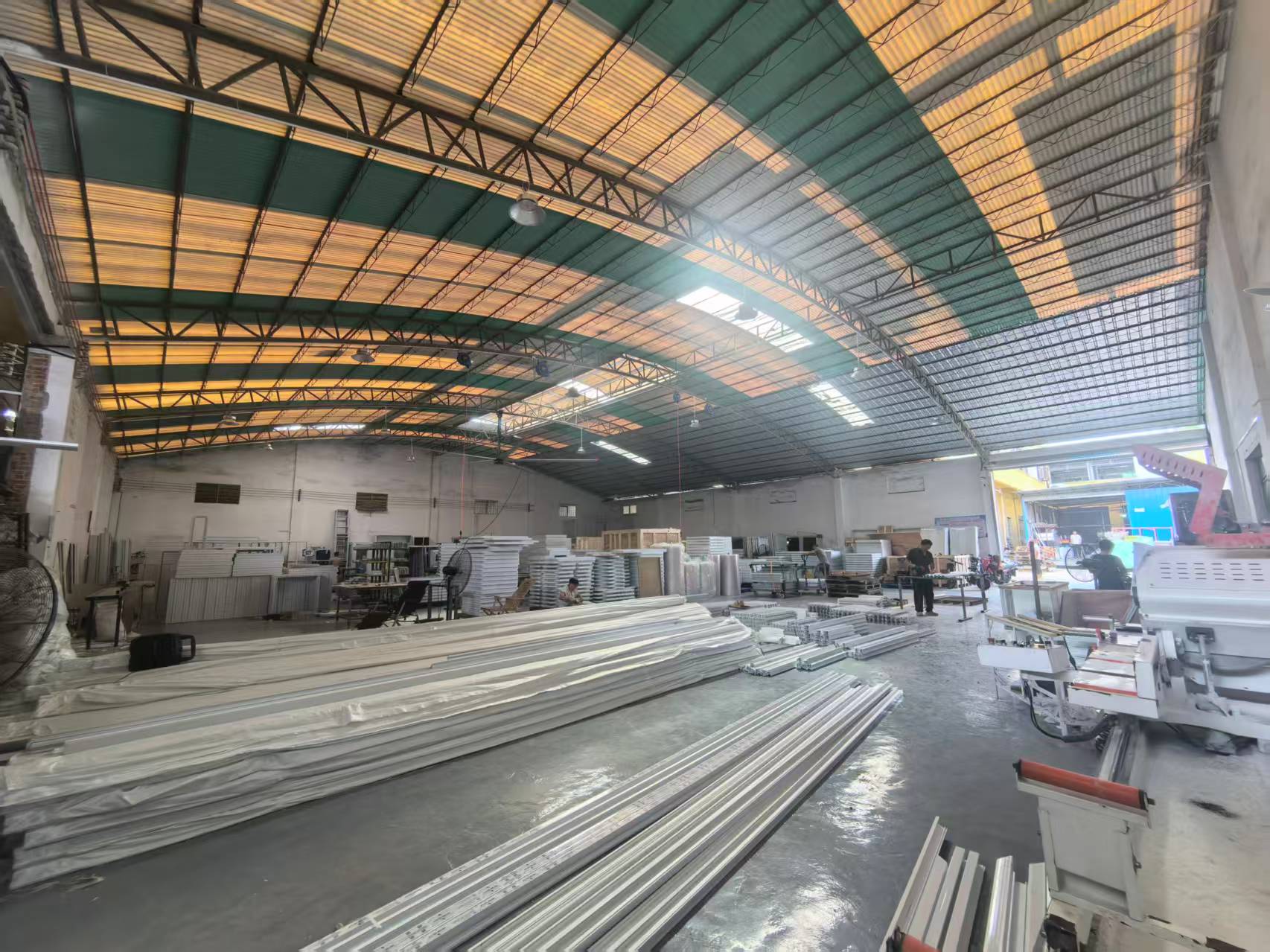
Coastal projects rarely end at one shipment. The minimum order quantity is 30–40 m² per order. Shipments are arranged under FOB or CIF trade terms. Pre-shipment inspection is performed via photos before dispatch, and on-site inspection is accepted as part of the acceptance process. Payment is made by bank transfer. Because export business accounts for 80% of total sales, the commercial terms are built around repeat export orders rather than one-off domestic transactions.
Use Cases: Matching the Model to the Project
Coastal villa refurbishment with fixed openings
A villa renovation typically keeps the original opening sizes and cannot route power to the windows. Manual operation is the only viable mode, the facade is directly exposed, and colour consistency between new and retained units matters visually. Model 7970 fits this combination: manual operation, corrosion resistance, UV and anti-aging performance, with the option to specify fire resistance where the project requires it.
Commercial building retrofit where frames have already corroded
On a commercial retrofit, the failure being corrected is usually hardware corrosion and water staining rather than structural failure. The specification should prioritise corrosion resistance and sealing renewal, and should confirm the hardware schedule up front so that handles, hinges, rollers and gaskets can be re-identified at the end of the component life. Model 7970 is the starting point for this profile of work.
Exposed residential tower on the open coast
Above a certain height, wind pressure and wind-driven rain dominate everything else. Here the specification should lead with wind-pressure resistance and water tightness, with sound insulation as a secondary comfort requirement and tilt-and-turn or sliding operation as the practical opening mode for large units. Model 8037 is designed for this condition.
Mixed development with different exposure per facade
On a larger coastal development, the sea-facing elevation and the sheltered elevation should not share one window schedule by default. Splitting the specification between Model 8037 on the exposed elevation and Model 7970 on the sheltered and renovated sections is a legitimate engineering decision, provided the hardware and glazing schedules are documented separately for each group.
Comparison Table: Model 7970 vs Model 8037
| Decision dimension | Model 7970 | Model 8037 |
|---|---|---|
| Primary design driver | Corrosion resistance in coastal high humidity | Wind-pressure resistance and water tightness in strong-wind areas |
| Typical project types | Renovation, villa and commercial projects | Strong-wind coastal sites, including residential and commercial buildings |
| Operation mode | Manual opening and closing | Tilt-and-turn and sliding operation |
| UV and anti-aging performance | Stated design focus of the model | Shared UPVC platform performance; confirm the tested configuration |
| Sound insulation | Shared UPVC platform performance; confirm the tested configuration | Stated design focus of the model |
| Wind-pressure resistance and water tightness | Required for coastal service; confirm grade per configuration | Stated design focus of the model |
| Fire resistance | Available as an option | Not stated as a model option; confirm per project |
| Hardware family | Handles, hinges, rollers, EPDM sealing gaskets, pile weatherstrip; manual operation components | Multipoint lock drive mechanism, crescent lock, hinges, rollers, EPDM sealing gaskets, pile weatherstrip, anti-collision stopper |
| Glazing options | Single-layer, double-glazed insulated, tempered safety, frosted | Single-layer, double-glazed insulated, tempered safety, frosted |
| Profile supply | Conch 60/65/88 series, co-extruded colour, laminated wood-grain, solid colour including dark grey and black | Conch 60/65/88 series, co-extruded colour, laminated wood-grain, solid colour including dark grey and black |
| Documentation to request | GB/T 8814-2017 profile test reports, CE or ISO certificates on request | GB/T 8814-2017 profile test reports, CE or ISO certificates on request, plus wind-pressure and water-tightness test data for the configuration |
Decision frame in one pass
- Renovation, villa or commercial project, fixed openings, manual operation, visible colour stability over long service life → Model 7970.
- Exposed coastal elevation, strong wind, storm-driven rain, tilt-and-turn or sliding units, sound insulation required → Model 8037.
- Fire resistance on the project requirement list → raise it against Model 7970 at specification stage, not at order stage.
- Mixed facade exposure → split the schedule, and document hardware and glazing separately for each group.
- Any configuration → request tested values; do not accept a single headline grade for every build-up.
FAQ
Which standard should the profile documentation for a coastal UPVC window reference?
Profiles should be checked against GB/T 8814-2017 for unplasticized PVC-U profiles for doors and windows, which sets requirements on wall thickness, impact resistance, heat stability and anti-aging performance; qualified test reports should be provided to verify physical properties. CE and ISO certificates can be supplied on request. Model-level values such as U-value, wind-load class and water-tightness grade are configuration-dependent and should be requested as test reports for the exact build-up being ordered.
Can one UPVC window model cover both high humidity and strong wind?
The two models share the same UPVC platform, so both deliver thermal insulation, sound insulation, wind and rain resistance, corrosion resistance and sealing performance. The difference is emphasis. Model 7970 leads with corrosion resistance, UV and anti-aging performance, manual operation and optional fire resistance. Model 8037 leads with wind-pressure resistance, water tightness, sound insulation and tilt-and-turn or sliding operation. Where a building has different exposure per facade, splitting the schedule between the two models is a normal engineering solution.
Is a coastal specification more expensive than a standard UPVC window?
Yes, at the point of purchase. A high-performance UPVC window build in our product data uses profile walls 2.0–3.0 mm thicker than a conventional standard UPVC window, with enhanced structural rigidity, and carries a 12–18% higher initial procurement cost. The trade-off is lower total life-cycle cost: sealing parts last longer, anti-ageing performance is better, hardware maintenance stays simple, and no anti-corrosion spraying is required.
Can we validate a model before placing a production order?
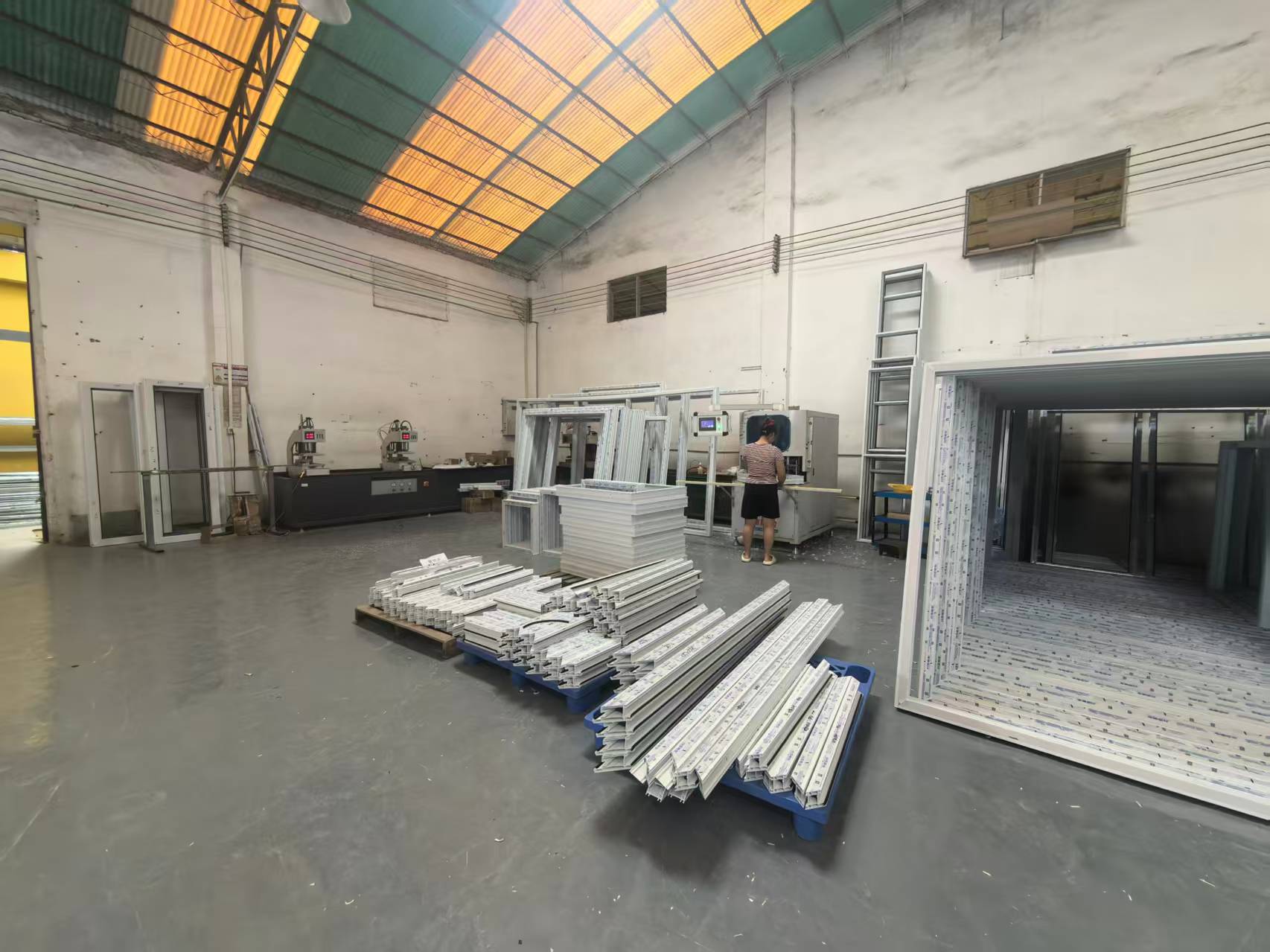
A sample showroom is available for one-stop purchasing, so model, hardware and finish can be reviewed before a production order is released. The minimum order quantity is 30–40 m² per order, and acceptance inspection includes pre-shipment inspection via photos plus on-site inspection where the buyer arranges it. Shipments are arranged under FOB or CIF trade terms.
How do long-term supply and replacement parts work on repeat coastal projects?
The factory supplies Conch profiles in 60, 65 and 88 series on a long-term basis, and export business accounts for 80% of total sales to LATAM, MENA, ASEAN and the EU, so repeat project supply is the normal operating pattern rather than an exception. To keep replacement parts identifiable, each order should carry a documented hardware schedule covering handles, hinges, lock points, multipoint lock drive mechanisms, crescent locks, rollers, EPDM sealing gaskets and pile weatherstrip, because these are the items that wear first. Payment is made by bank transfer. To move a coastal project forward, send the elevation drawings, opening schedule and required performance grades to the factory team at yuanzhaiji.com or by WhatsApp on +86 130-0674-7018 for a specification review and quotation.
Conclusion: Decide by Elevation, Opening Mode and Hardware
The choice between Model 7970 and Model 8037 is not a quality ranking. It is a match between a performance emphasis and a site condition. Model 7970 exists for coastal renovation, villa and commercial work where manual operation, corrosion resistance, UV and anti-aging performance, and optional fire resistance define the brief. Model 8037 exists for strong-wind areas where wind-pressure resistance, water tightness, sound insulation and tilt-and-turn or sliding operation define the brief.
Three inputs settle the decision: the exposure of each elevation, the opening mode the project can operate and maintain, and the hardware that mode requires. Once those are fixed, request the test documentation for the exact configuration and confirm the commercial terms — 30–40 m² minimum order quantity, FOB or CIF delivery, photo or on-site pre-shipment inspection, and bank transfer payment — before the order is released. On coastal work, that sequence prevents the most expensive mistake: buying a window that is well made but specified for the wrong facade.
Next step for your coastal project
Send your elevation drawings, opening schedule and required performance grades to Foshan Nanhai Yuanzhaiji UPVC Door & Window Factory. The team will confirm whether Model 7970 or Model 8037 fits each facade, and return a specification and quotation for the exact configuration.
Email: 1803877678@qq.com | Tel / WhatsApp: +86 130-0674-7018 | Web: yuanzhaiji.com
Have Questions or Need More Details?
Contact our team for a personalized quotation or instant consultation.
Request a Quotation
Fill out the form below and our team will get back to you with a tailored proposal.
WhatsApp Direct Chat
Prefer to chat in real-time? Message us on WhatsApp for instant assistance & quick answers.
- Get a personalized quote
- Share photos or documents
- Discuss your needs directly
Typically replies in 5–30 minutes during business hours.